English| EUR
Suggested for you
More currencies
Choose a language
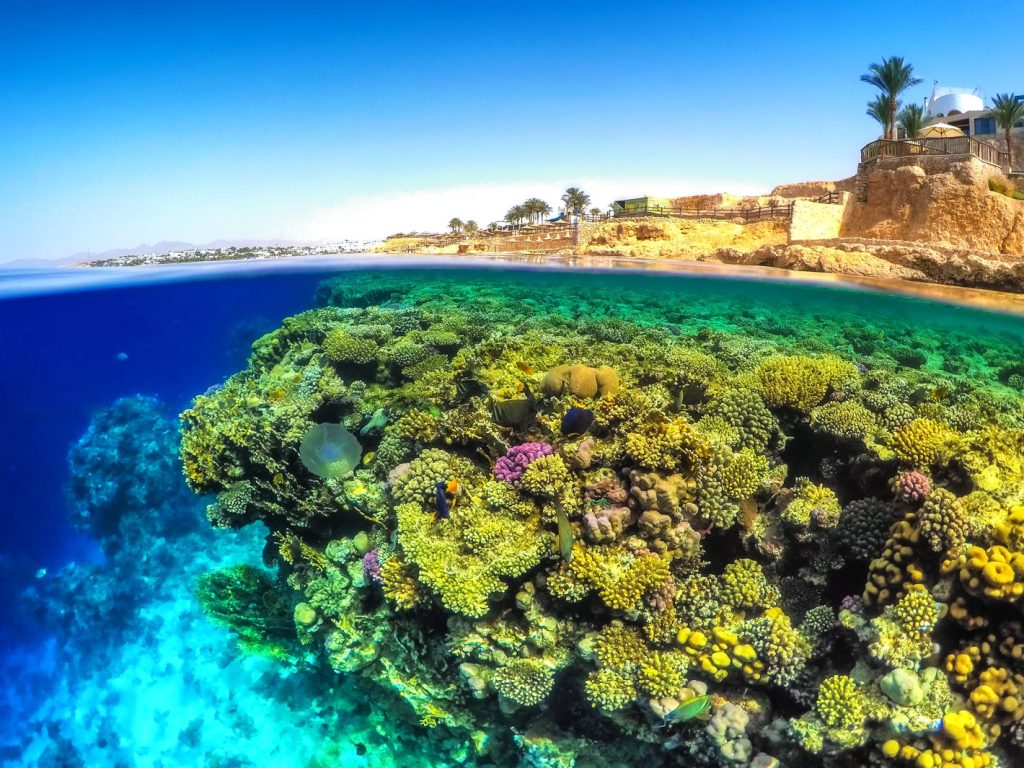
January ranks among the most reliable months for diving in Sharm El Sheikh, delivering consistent visibility and calm conditions across the northern Red Sea. Water temperature hovers around 22-23°C, while surface winds remain light and boat traffic thins compared to peak European summer. This guide covers what to expect underwater, which sites perform best in winter, and the practical steps that shape a successful January dive trip.
Quick answer
January offers excellent diving conditions in Sharm El Sheikh, with water temperatures between 22-23°C, visibility frequently exceeding 25 meters, and calm seas across most dive sites. A 5mm wetsuit or 7mm semi-dry suit is recommended for thermal comfort during multi-dive days. Marine life activity remains high, with regular sightings of reef sharks, Napoleon wrasse, barracuda schools, and resident turtle populations at sites like Ras Mohammed and the Straits of Tiran.
January marks the heart of winter diving season in the Red Sea, when water clarity reaches its annual peak and plankton bloom subsides after the autumn turnover. Thermoclines are rare, and visibility at signature sites like Shark Reef, Yolanda Reef, and Jackson Reef consistently pushes beyond 30 meters on morning dives. The conservation fee of 7 EUR per person per trip to national marine parks applies to dives within Ras Mohammed National Park and the Tiran Island protected zone, covering the majority of advanced dive itineraries departing from Sharm El Sheikh. Boat schedules run daily from 07:00 to 17:00, with the 07:00 to 10:00 departure window capturing the best underwater visibility before midday boat traffic stirs sediment in shallow channels. Most operators schedule two-tank trips with surface intervals at sheltered moorings. Water temperature in January averages 22°C at depth, a drop of roughly 6°C from summer highs, and divers accustomed to tropical warmth often underestimate cumulative cold exposure across multiple dives. A 7mm wetsuit or a well-fitted 5mm suit with a hooded vest provides adequate insulation for recreational profiles, while technical divers on extended bottom times favor dry suits with thermal undergarments. Current patterns shift during winter months, with northerly winds occasionally strengthening afternoon surface chop at exposed sites along the Straits of Tiran, though drift dives at Ras Mohammed remain sheltered and predictable. Marine species behavior in winter differs from summer norms. Reef sharks patrol deeper drop-offs during cooler months, Napoleon wrasse forage more actively along hard coral walls, and large pelagics including tuna and occasional manta rays pass through channels when current windows align. Night dives reveal heightened crustacean activity, and macro photographers working the sandy slopes near the Dunraven wreck document seasonal nudibranchs and flatworms absent in warmer months.
“Thermoclines are rare, and visibility at signature sites consistently pushes beyond 30 meters on morning dives.”
January offers consistent conditions for scuba diving in Sharm El Sheikh, characterized by cooler air temperatures and stable water visibility. Visiting during this month allows divers to explore the reefs with fewer crowds compared to peak tourist seasons.
—
Early sessions provide optimal water visibility before boat activity increases.
Air 20-23°C, Water 21-22°C
Surface intervals are comfortable in the mild winter sun.
Air 20-23°C, Water 21-22°C
Mid-week diving typically results in fewer divers at popular sites like Ras Mohammed.
Verdict: The best time for scuba diving in Sharm El Sheikh during January is weekday mornings, arriving at 07:00 to utilize the optimal early arrival window.
Ras Mohammed National Park maintains consistent access hours throughout the year for all scuba diving activities. The park is open daily to facilitate regulated marine access.
Ras Mohammed National Park is situated at the southern tip of the Sinai Peninsula. Most visitors reach the dive sites via boat departures from the main Sharm El Sheikh marina hubs.
Direct transfer to marina
Departure from Sharm El Sheikh marina
Route 42/Peace Road to national park gate
The best arrival window is 07:00–10:00. Scheduling your transit to fall within this period avoids heavy boat traffic and ensures superior water visibility and wildlife conditions for your dive.
Navigating Red Sea conditions in January requires specific gear adjustments to maintain comfort between dives.
A 5mm wetsuit is recommended for January water temperatures, which typically hover around 21°C to 22°C. Consider adding a hooded vest if you are sensitive to cold during repetitive dives.
Air temperatures drop significantly once you exit the water, particularly with January winds. Bring a windproof coat or a heavy dry robe to retain body heat during surface intervals on the boat deck.
Saltwater can be harsher in cooler temperatures if gear is not rinsed thoroughly. Ensure your regulator and buoyancy compensator are soaked in fresh water immediately after your dive to prevent salt crystallization in the valves.
Stay dry by using a dedicated changing mat and keeping a set of warm, dry clothes in a waterproof bag. Avoid staying in a damp swimsuit during surface intervals to prevent rapid heat loss.
January often brings clearer water due to reduced plankton levels. Use this increased visibility to focus on wide-angle photography rather than relying solely on macro subjects.
Everything you need to know about scuba diving sharm el sheikh january
Yes, the winter months provide calm conditions that are often ideal for those new to the sport. Many local instructors offer introductory sessions in protected lagoons, making scuba diving sharm el sheikh january a popular choice for novices.
Water temperatures typically hover around 21°C to 23°C throughout the winter months. Divers generally wear a 5mm wetsuit to remain comfortable while exploring the Red Sea coral reefs during this period.
Yes, there is a mandatory conservation fee of 7 EUR per person per trip to national marine parks. This fee supports the preservation of the delicate underwater ecosystem found in the Sinai Peninsula.
The best arrival window for your trip is 07:00–10:00. Arriving early allows you to beat the boat traffic and ensures the best water visibility and wildlife conditions for your underwater activities.
Winter is an excellent time to spot diverse marine species, including reef sharks, rays, and schools of colorful tropical fish. The cooler water temperatures often bring increased activity levels among certain pelagic species, enhancing your experience while scuba diving sharm el sheikh january.
Yes, dive operators maintain consistent service throughout the winter. They follow the standard schedule of 07:00–17:00 daily, ensuring visitors have access to equipment and guided boat excursions year-round.